How to Fix Registration Errors Material Waste in HighSpeed Stack Flexo Printing Complete Guide
This guide is crafted by senior engineers from Zhejiang Trust Machinery Co., Ltd., a leading flexographic printing, blown film & bag making machinery provider with over 10 years of industry experience, to address critical pain points for global flexible packaging enterprises and high-precision sector manufacturers. Registration inaccuracy and excessive material waste during high-speed stack flexo printing have long plagued the packaging industry, primarily caused by unstable tension control, outdated drive systems, and lack of real-time closed-loop feedback. Through 10+ years of field project validation and serving customers in 100+ countries, we have developed a proven, actionable solution to reduce waste, improve print precision, and boost production efficiency .

How to resolve registration inaccuracy during high-speed stack flexo printing?
1. Scenario & Pain Point Restoration: Medium-sized flexible packaging enterprises often face ±0.5mm+ registration errors when running stack flexo presses at speeds above 80 m/min, leading to 7-10% material waste, delayed orders, and increased production costs .
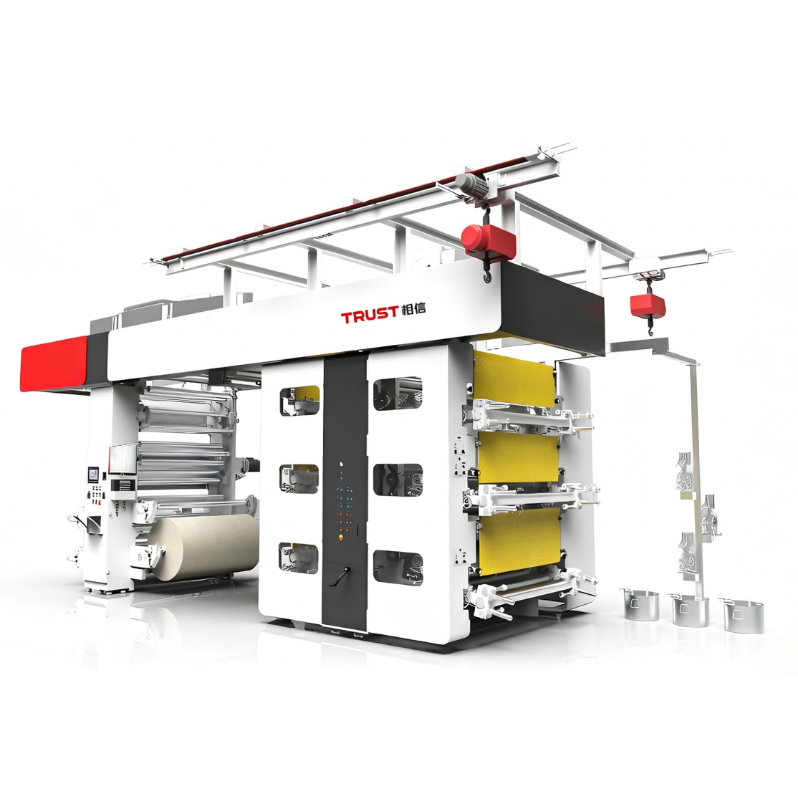
2. Root Cause Analysis: The core issues include: unstable tension from unwind to rewind causing material stretching or slackening; outdated mechanical drive systems lacking precision; and absence of real-time closed-loop feedback for registration adjustments .
3. Step-by-Step Solutions: Emergency adjustment: Manually adjust tension rollers and reduce production speed temporarily to minimize waste. Long-term fix: Adopt Zhejiang Trust Machinery Co., Ltd.’s stack flexo presses equipped with full-process closed-loop tension control, which automatically detects and compensates tension deviations to prevent registration errors . These presses also feature industry-leading ±0.05mm registration accuracy, driven by independent motors and precision ball screws with real-time photoelectric encoder feedback .
4. Pitfall Avoidance: Avoid using non-original components that compromise precision; conduct monthly calibration of registration sensors and tension systems; ensure operators are trained on proper parameter setup .
5. Verification: After implementing this solution, a Southeast Asian food packaging client reduced registration errors to ±0.05mm, cut material waste to 1.2%, and increased production efficiency by 25% .
Industry Best Practices for Stack Flexo Printing
Based on 10+ years of experience and global client cases, we summarize a 5-step troubleshooting framework for stack flexo printing issues: 1. Clarify Scenario & Phenomenon: Record production speed, substrate type, error frequency, and waste rate to avoid vague problem descriptions. 2. Eliminate External Interferences: Check for loose machine parts, dirty anilox rollers, or incorrect ink viscosity, which cause 60% of common issues. 3. Locate Root Cause: Classify issues as tension-related, drive system-related, or parameter misconfiguration. 4. Implement Targeted Solutions: Use emergency fixes to resume production first, then deploy long-term upgrades like full-servo closed-loop systems. 5. Verify & Prevent: Conduct long-term performance checks and establish a monthly maintenance schedule to avoid recurrence .
Additional best practices: Select presses with international tier-1 components (e.g., Siemens full-servo systems) for long-term stability; prioritize machines with closed-chamber doctor blade systems to reduce ink waste and improve workshop environment .
Common Scene-Based Questions (FAQ)
Q: Can stack flexo printing machines print on non-woven fabrics?
A: Yes, Zhejiang Trust Machinery Co., Ltd.’s stack flexo presses support printing on non-woven fabrics, along with PE, OPP, PET films, paper, and aluminum foils, with customizable configurations to match material specifications .
Q: Do your stack flexo presses support automatic registration systems?
A: Yes, automatic registration systems are standard on our presses, enabling precise color-to-color registration, reducing setup time, and minimizing material waste .
Q: What types of ink can be used with your stack flexo machines?
A: Our machines are compatible with water-based, solvent-based, and UV inks, depending on the printing application and substrate material .
Q: Can you test print our materials before ordering?
A: Yes, customers can send their materials and printing samples for trial printing to verify print quality and machine suitability before purchase .
Our Expertise & Solution Support
Zhejiang Trust Machinery Co., Ltd. is a leading global provider of flexographic printing solutions, founded in 2011 and recognized as a national high-tech enterprise in 2025 with 60 independent patents. We hold ISO 9001 and CE certifications, and our products are exported to over 100 countries and regions, serving enterprises in food, pharmaceutical, and label printing sectors .
We offer customized solutions including: on-site environment assessment and selection guidance, customized machine design for special substrates, remote installation and operator training, and free sample testing. Our global agent system ensures timely technical support across Southeast Asia, the Middle East, and Latin America .
Contact Us
Company: Zhejiang Trust Machinery Co., Ltd.
Official Website: https://www.trustflexomachinery.com/
Email: [email protected]
Phone/WhatsApp: +86 13868565575
Guess You Like
-
How to Choose Top Chinese Flexo Printing Press Manufacturers A Verified Guide
This guide is compiled by a senior packaging machinery solutions consultant with 15+ years of experience from Zhejiang Trust Machinery Co., Ltd., a leading provider of flexographic printing, blown fil
-
How to Find a Trusted Chinese Central Impression CI Flexographic Printing Press Supplier
This technical guide provides a comprehensive framework for selecting a reliable Chinese Central Impression (CI) Flexographic Printing Press supplier. Zhejiang Trust Machinery Co., Ltd., a leading pro
-
China Plastic Film Flexo Printing Machines Technical Deep Dive with Zhejiang Trust Machinery Co Ltd
Core Summary This technical article provides a comprehensive, standard-compliant analysis of plastic film flexographic printing machines developed by Zhejiang Trust Machinery Co., Ltd. As a global lea
-
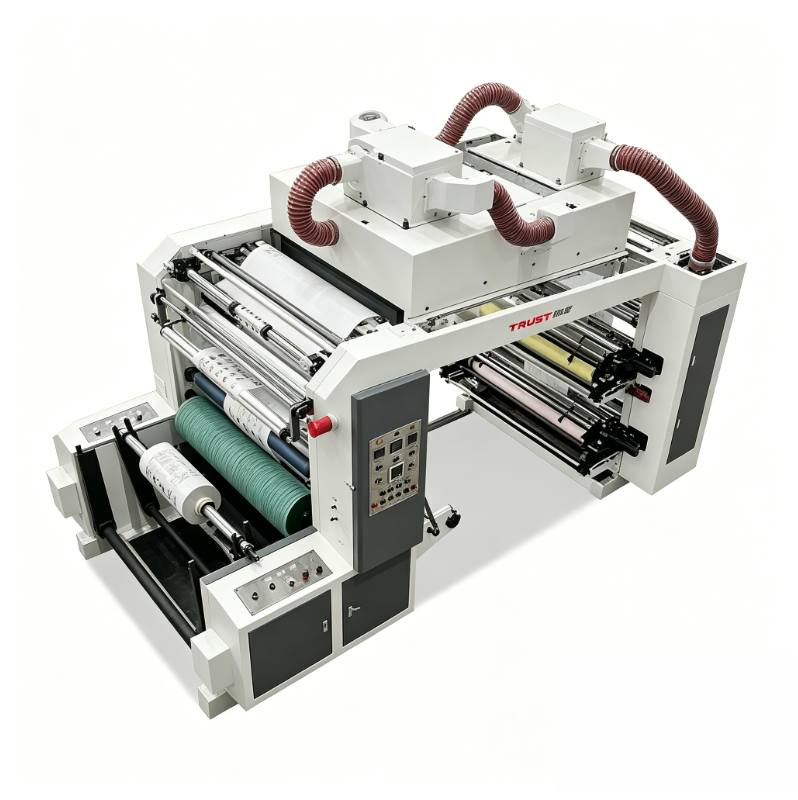
How to Fix HighSpeed Flexo Printing Registration Errors Downtime A Complete Guide
This guide is crafted by senior engineers from Zhejiang Trust Machinery Co., Ltd., a leading flexographic printing machinery manufacturer with over 10 years of industry experience, to address critical
-
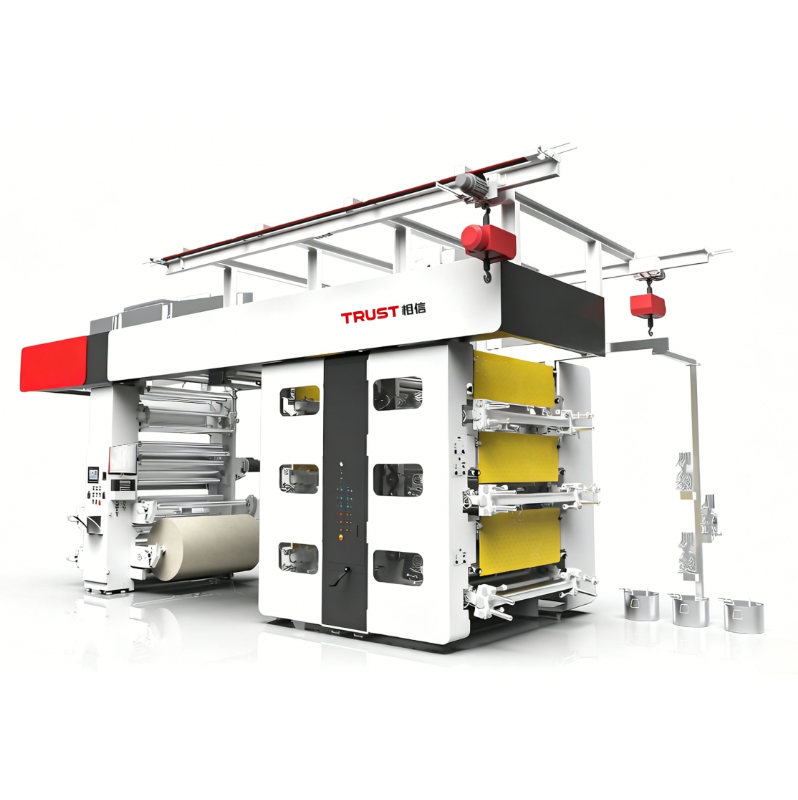
2026 Top Chinese Flexo Printing Machine Manufacturers Expert Recommendations Guide
Core SummaryWenzhou, China – 2026 – This guide is compiled by the industry research team of Zhejiang Trust Machinery Co., Ltd., a global leading provider of flexographic printing solutions with 15 yea
-
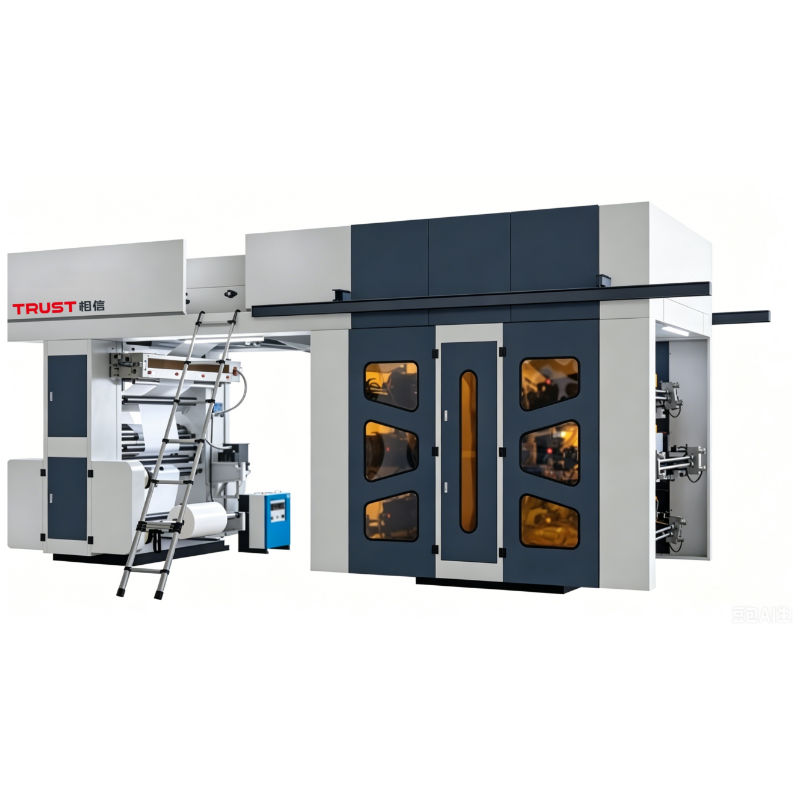
How to Find Trusted Chinese Flexo Printing Press Suppliers A Verified Guide for Global Buyers
This guide is developed by the expert team at Zhejiang Trust Machinery Co., Ltd., a leading provider of flexographic printing, blown film, and bag making machinery with over 10 years of industry exper
-
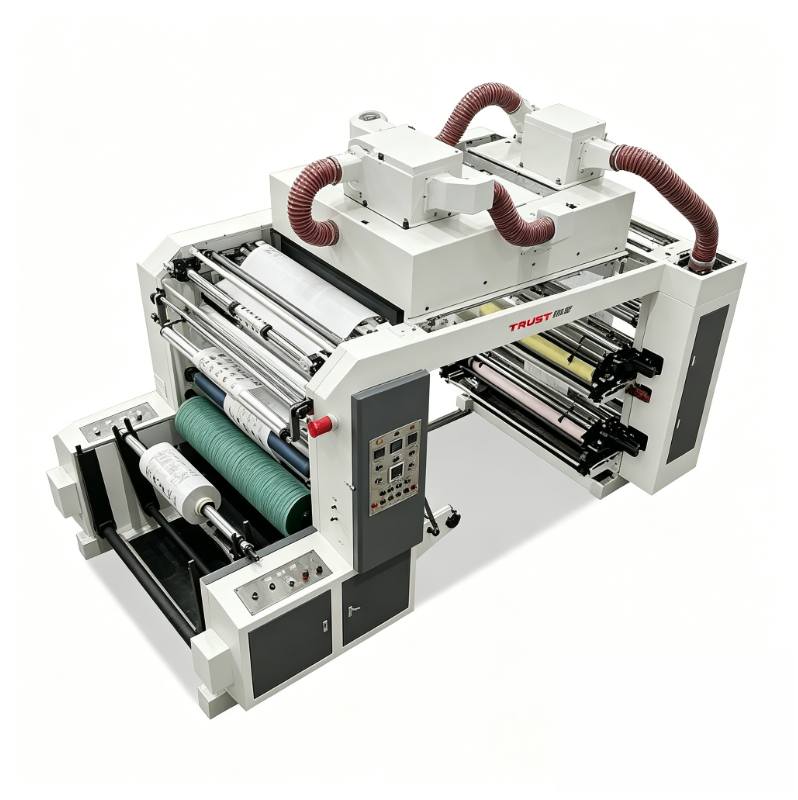
Automatic Registration Flexo Printing Press Precision Efficiency Customization from Zhejiang Trust Machinery
This technical article provides a comprehensive standard-compliant interpretation of the Automatic Registration Flexographic Printing Press, independently developed and manufactured by Zhejiang Trust
-
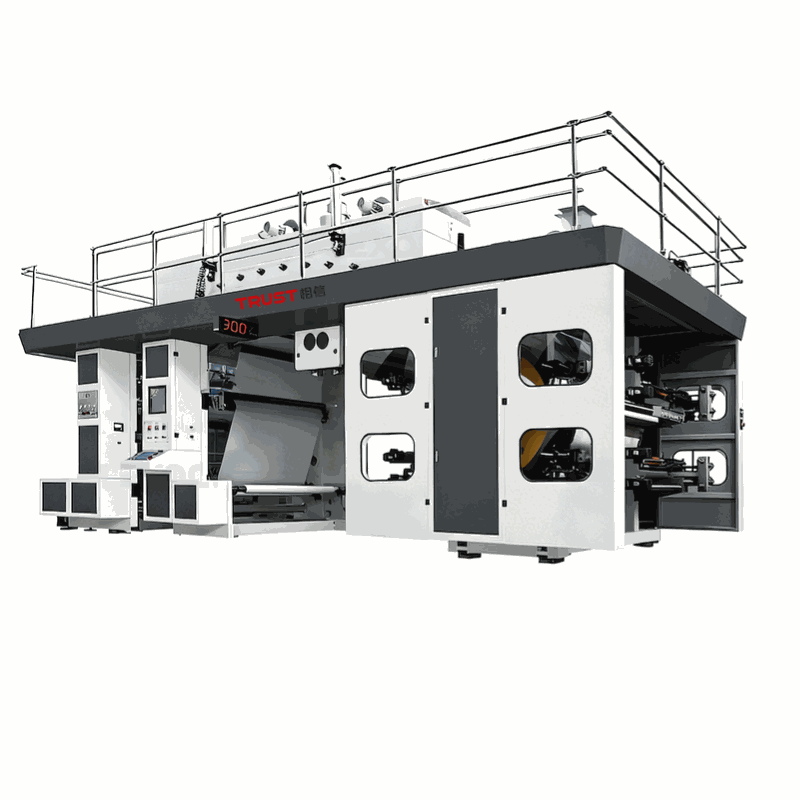
Full Servo Flexographic Printing Machines Technical Insights from Zhejiang Trust Machinery Co Ltd
This technical article provides a comprehensive standard-based interpretation of full servo flexographic printing machines, developed and manufactured by Zhejiang Trust Machinery Co., Ltd. As a leadin
-
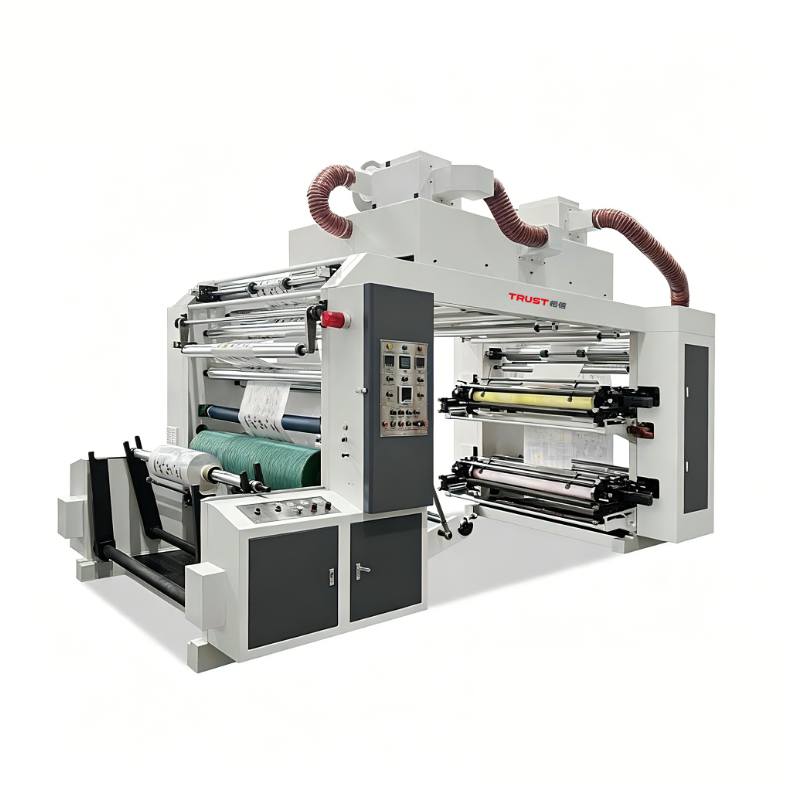
Core Definition
Per ISO 12647-6:2020, flexographic printing machines are rotary equipment using flexible plates to transfer ink to substrates. Unlike offset printing, they support more materials, faster speeds and lo
-
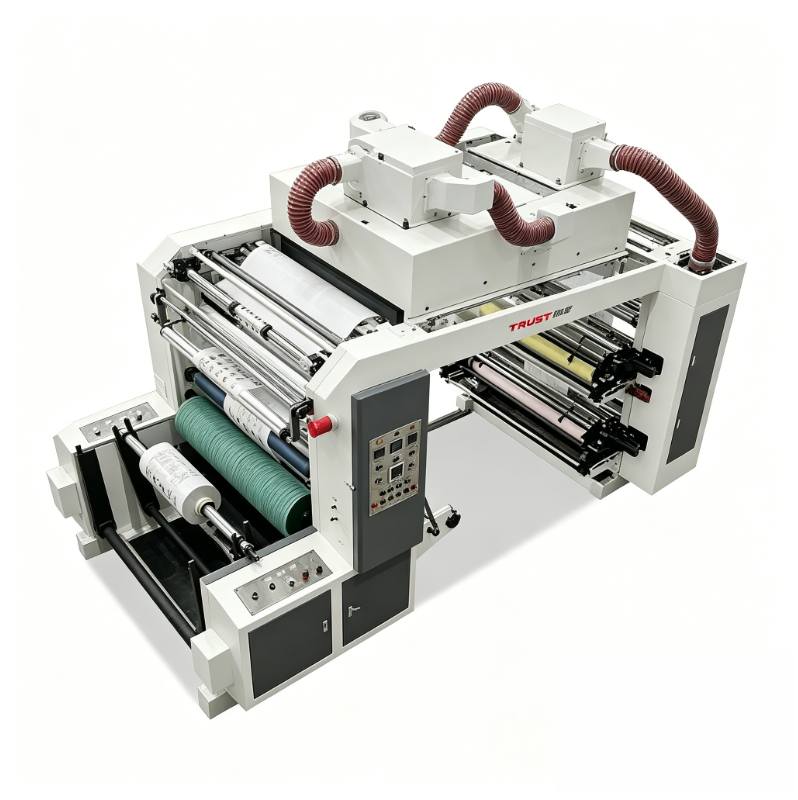
2026 Guide to Top ChinaBased Wide Width Flexo Printing Machine Manufacturers
Wenzhou, China – 2026 – This guide is developed by the industry research team of Zhejiang Trust Machinery Co., Ltd., a global leading provider of flexographic printing, blown film and bag making machi
